AI Generated Images Copyright: US and UK Checks and Creator Records
Separate permission to use an image, copyright protection and third-party rights, then document asset licences, tool terms and human edits. The current US and UK rules still require verification against the specified official texts; this draft is not ready for publication.
·
> Editorial status: this is an evidence-limited draft, not for publication. The specified US Copyright Office and UK government texts have not been supplied or read. This draft therefore does not provide a verified comparison of current US and UK rules or establish whether policy proposals have taken effect.
A client asks whether an AI image can be used commercially. What will support your answer: the tool’s terms, a licence for an uploaded photograph, or the layered file showing your edits? Each can answer a different question. None should stand in for all the others.
For ai generated images copyright, separate permission to use the image, protection for the resulting work and possible third-party rights issues. A 2023 article by Strachan IP distinguishes using an image from preventing others from copying it. That distinction helps frame the task, but its historical discussion and descriptions of tool terms are not a substitute for checking today’s rules.
Make the delivery promise specific
“Permitted for this advertising campaign” and “the client receives exclusive copyright in the entire image” are different promises. The first requires checking the relevant tool and asset permissions. The second also requires establishing whether the relevant law protects the content, who holds any rights and how the contract deals with them. A commercial-use provision alone does not establish exclusive copyright.
Assessing protection for your output also does not resolve the permissions for an uploaded asset or possible third-party rights in the final image. A useful delivery note can distinguish supported uses, rights claims requiring confirmation and unresolved asset or output questions. This is a suggested documentation approach, not a guarantee of legal clearance.
Keep the US and UK questions separate
The assignment identifies a US Copyright Office source and UK government consultation and report pages, but their text is missing from the available evidence. That prevents verification of the precise US human-authorship standard and of the current conditions and policy position surrounding UK computer-generated works.
The 2023 blog cannot fill that gap. Before adding the comparison, record whether each official statement describes existing law, an institutional interpretation, a consultation option or a future policy recommendation. Check publication and update dates and the kinds of work or creative activity being discussed. Publication of a government consultation or report does not, by itself, establish that its proposals have become law.
The intended scope remains the United States and the United Kingdom. Use in another jurisdiction requires a separate check rather than an assumption that either answer applies everywhere.
Keep a record that another person can follow
The following is a proposed record-keeping method, not a tested compliance process or proof that copyright exists. Its purpose is to make your evidence and remaining uncertainties visible.
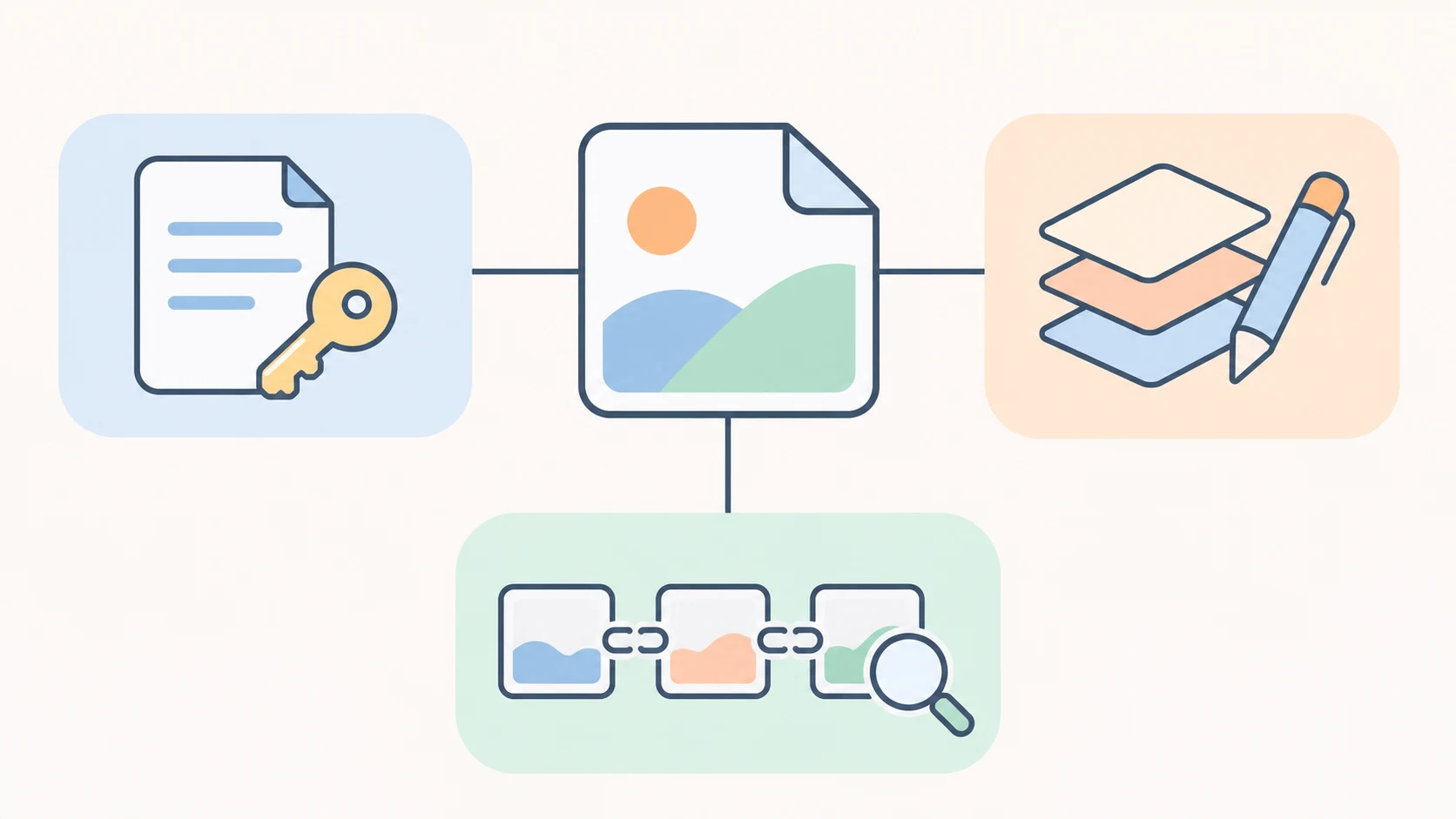
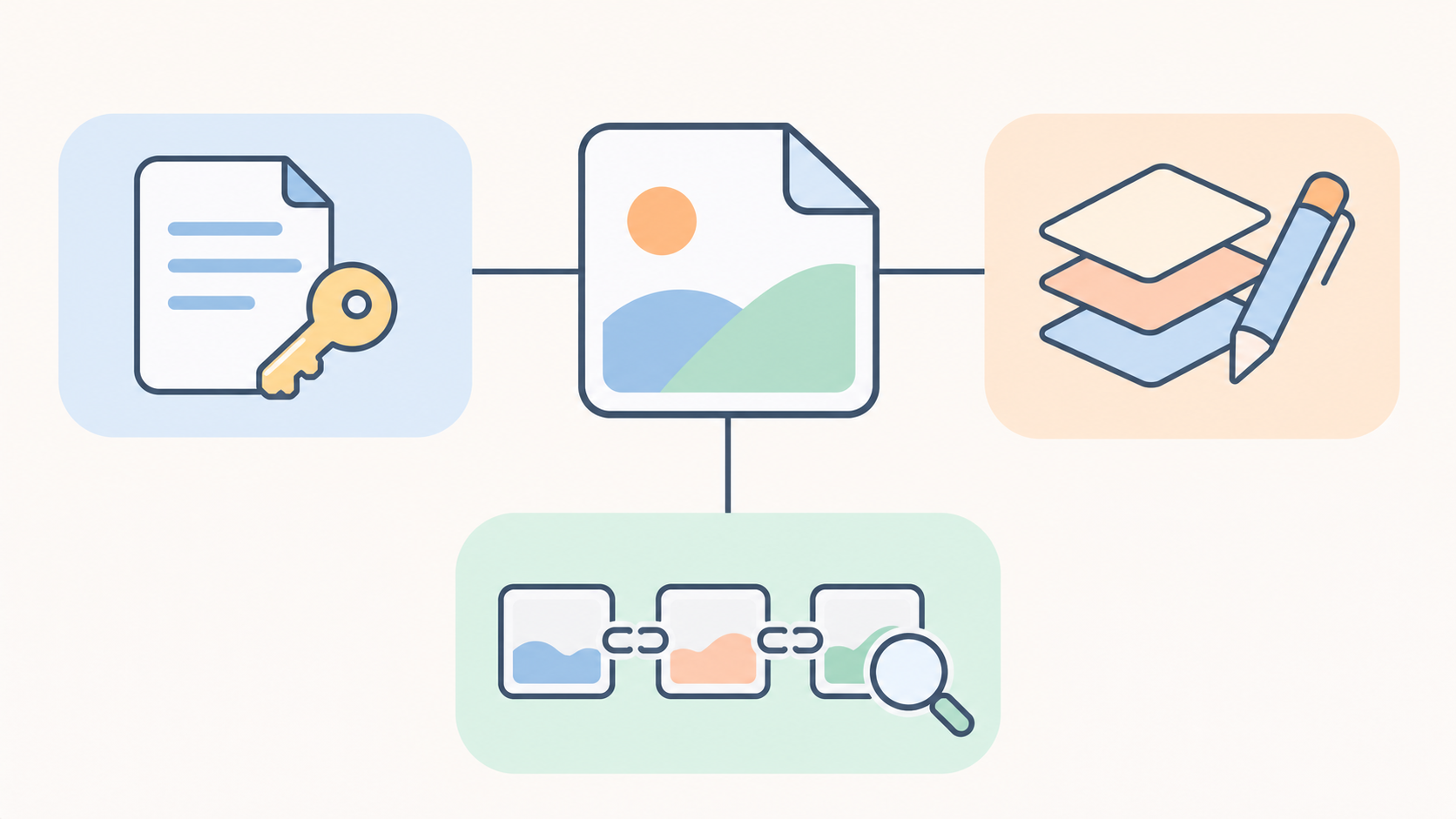
| Record | What to retain | What it does not establish by itself |
|---|---|---|
| Input assets | Files, source URLs, rightsholder or licensor details, licence text, acquisition date and project | That an online image is available for upload or commercial use |
| Tool terms | Service and account plan used, applicable terms, date saved and relevant restrictions | That permission to use an output creates exclusive copyright |
| Human contributions | Layered files, before-and-after versions, selection and arrangement notes, contributors and their work | That a high edit count satisfies a protection standard |
| Final delivery | Final file, intended use, territories, contractual rights wording and open issues | That documentation rules out infringement |
Describe what a person actually did rather than writing only “human retouching.” Notes might identify redrawn elements, composition decisions and parts retained from the generated output. These are examples of documentation, not claims that those acts necessarily protect the entire image.
If permissions have been confirmed for only some assets, do not describe all assets as cleared. If a client requests exclusivity or a full copyright assignment and the existence or ownership of the relevant rights remains unresolved, pause that promise. Check the applicable official materials, actual tool terms and asset licences, and obtain advice for the specific jurisdiction where necessary. Records preserve the basis of a decision; they do not turn uncertainty into a legal conclusion.
Related articles and cases
- AI Typography Generator: From Lettering Concepts to Usable Deliverables
Decide whether you need a poster image, brand lettering, or an installable font. Then prepare exact text, inspect readability, and verify language coverage, file compatibility, and licensing separately.
- AI Children’s Book Illustration Generator: From Storyboard to Consistent Pages
Plan interior illustrations around story changes, not isolated images. A fictional example shows how to track characters and props, reserve room for text, and distinguish illustration drafts from a finished book.
- AI Fashion Design Generator: From Silhouette Concepts to Sample Review
Turn audience, silhouette, fabric appearance, function, and cost constraints into fashion concepts—then separate visual decisions from the pattern, material, sizing, and sample checks needed for production.
- AI Map Generator: From Worldbuilding Notes to a Usable Fantasy Map Draft
A fantasy map needs more than convincing mountains and rivers. Use a fictional river-crossing scenario to turn worldbuilding notes into visual constraints, then check names, routes, distances, and what players should see.