AI Fashion Design Generator: From Silhouette Concepts to Sample Review
Turn audience, silhouette, fabric appearance, function, and cost constraints into fashion concepts—then separate visual decisions from the pattern, material, sizing, and sample checks needed for production.
·
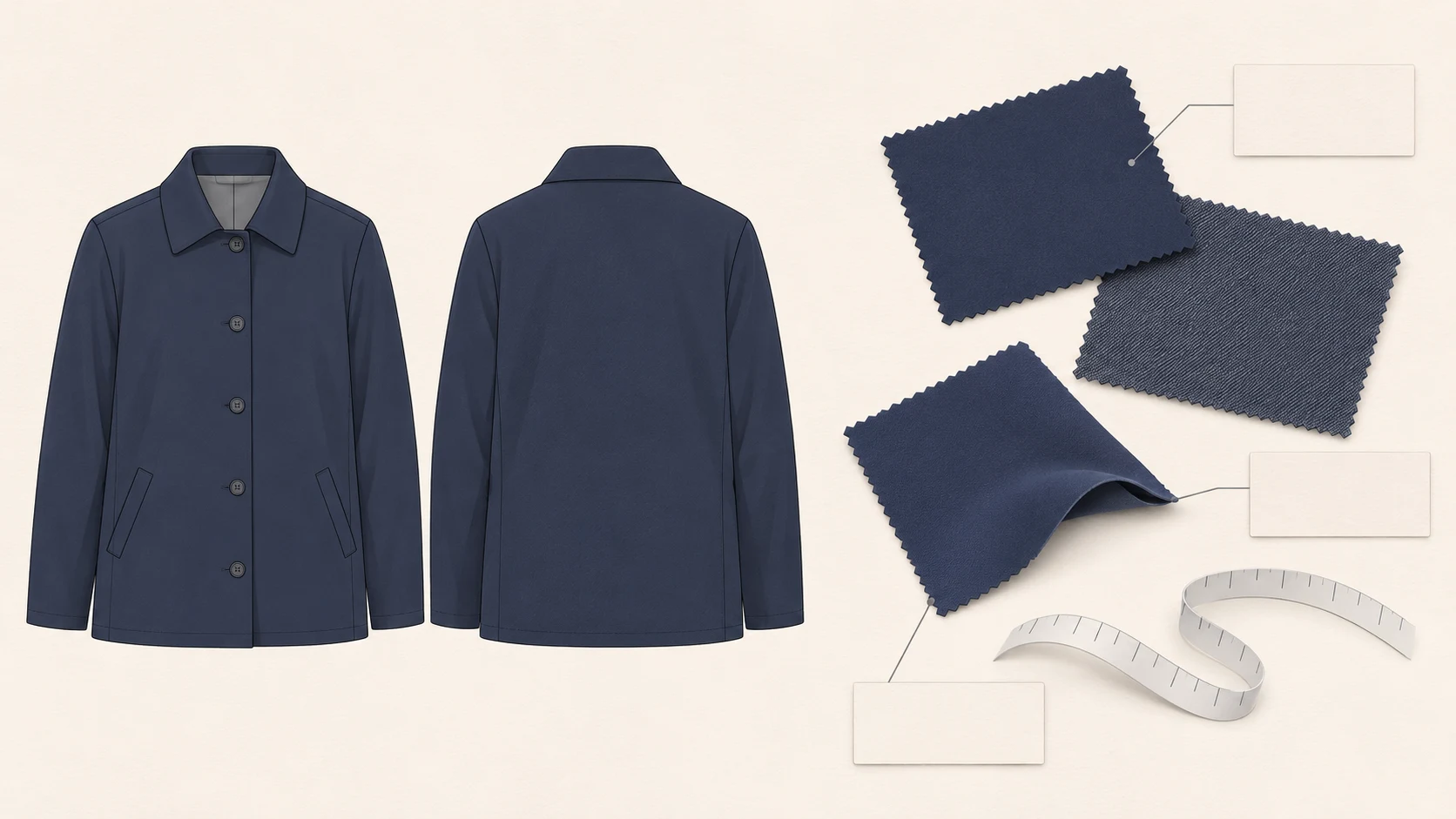
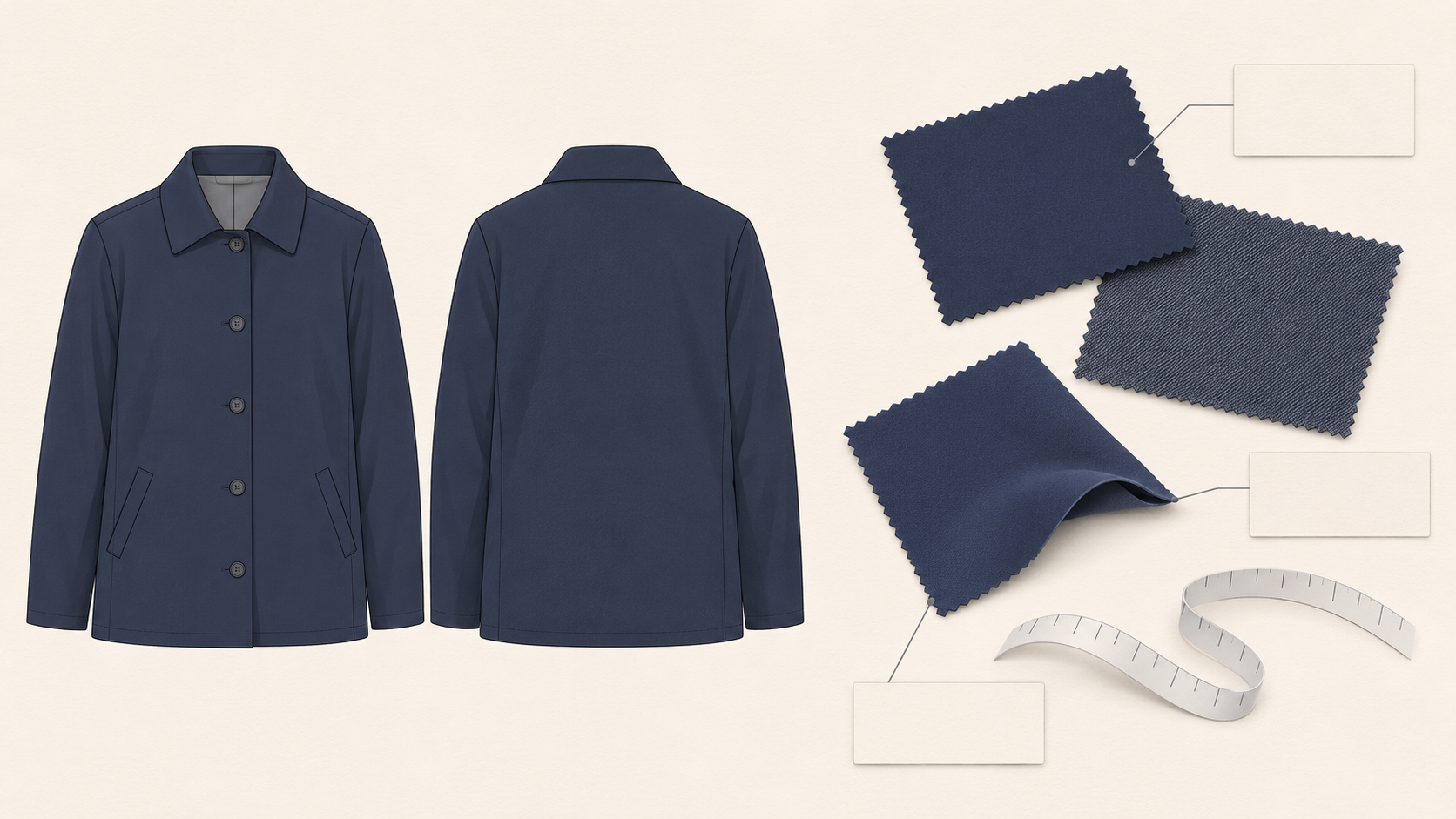
A jacket concept can look convincing: a clean silhouette, textured fabric, and neatly placed pockets. Yet the image may leave basic questions unanswered. Where do the pockets open? Do the back seams connect logically with the front? Would the fabric you can actually source hold that shape?
For independent designers and small teams, an AI fashion design generator is best treated as a visual proposal tool, not a substitute for production decisions. A useful concept helps a team decide what to retain, what to change, and what still needs evidence.
World Collective’s fashion-tool overview covers concept sketching, patternmaking, virtual fitting, and fabric simulation. That breadth makes it important to distinguish tasks: access to image generation does not establish capability in the other stages. The approach below is a suggested working method, not a tested product comparison or a documented brand case study.
Describe the wearer before the aesthetic
“Futuristic commuter jacket” leaves plenty of room for attractive but difficult-to-compare images. A more useful brief explains who will wear the garment, how they will use it, and which decisions must remain fixed.
Consider this hypothetical urban commuter jacket. It is not an existing product, and no supplier has quoted it.
| Brief element | Example direction | What the image cannot establish |
|---|---|---|
| Wearer and setting | Adults walking and using public transport; worn over a shirt | Movement comfort or target-size coverage |
| Silhouette | Hip-length, straight and slightly relaxed; no exaggerated dropped shoulder | Finished measurements, ease, or pattern balance |
| Fabric appearance | Matte, somewhat structured; avoid a shiny plastic look | Fiber content, weight, hand, or physical performance |
| Function | Defined center-front closure and visible pocket openings | Pocket capacity, closure reliability, or ease of use |
| Cost constraints | Limit decorative panels and specialty trims; record the actual cost ceiling separately | Material consumption, labor, trim costs, or supplier pricing |
Keep appearance separate from performance. Rainwear styling does not prove waterproofing. A cost target written into a prompt is not a cost calculation.
Generate competing design ideas, not just different moods
For a useful comparison, keep the setting, viewing angle, and base color stable while changing one central design decision. You might compare a boxier shape with a more defined waist. This keeps the discussion focused on garment design rather than model poses or lighting.
A starting prompt could read:
> Fashion design concept illustration of an adult urban commuter jacket, hip-length, straight and slightly relaxed, worn over a shirt. Matte, moderately structured fabric appearance, dark navy, defined center-front closure, clear pocket openings, minimal decorative paneling. Neutral background and natural standing pose. Prioritize visible garment construction; no accessories obscuring the body. For concept discussion, not a production pattern.
To explore a visual draft, use the InkRoom image generation page to enter a prompt and select a configured model. Availability, parameters, and fees depend on the current interface and account configuration. This is an image-generation entry point, not evidence of patternmaking, fabric simulation, or sizing-validation capability.
You can request front and back views separately, but using the same description does not guarantee that both images depict a structurally consistent garment. Keep the brief, prompt, and a direction identifier together so the team knows which version it is discussing.
Read the construction, not just the styling
Start with whether the overall silhouette suits the intended use. Then follow the neckline, shoulder, armhole, side seam, and hem. Look for unresolved design decisions rather than relying on how realistic the rendering appears.
If a panel line appears on the front, does the back suggest a compatible connection? A pocket may have a convincing flap but no clear opening. A sleeve may look polished while its attachment to the body remains ambiguous. Mark these as questions for design resolution rather than asking production staff to infer the answer.
Collection consistency deserves a separate conversation. If the jacket will sit alongside trousers, identify shared design elements—perhaps pocket shapes, seam directions, or hardware appearance—before deciding whether differences are intentional. Similar-looking navy shades in generated images are not a sourcing color reference or a physical color standard.
Make feedback actionable: “Retain the straight silhouette; reconcile front and back side seams; explain the pocket opening in the technical drawing.” That moves the project further than “Version two looks more premium.”
Sampling needs different evidence
The concept describes a desired appearance. Manufacturability requires dimensions, construction, materials, and process information that realism alone cannot supply.
When handing off a selected concept, include its design intent and unresolved questions. The design and production team should define technical drawings, measurements and ease, patterns, seams, and construction requirements. Review actual fabric samples for hand, structure, and drape, and confirm relevant performance requirements for the project. A physical sample then allows the team to assess dressing, movement, pocket use, and garment balance, with revisions where necessary.
If the illustration looks structured but the sourced fabric is soft, the decision is whether to change the material, add structural support, or accept a different silhouette—not to generate an even crisper image. Likewise, review cost against materials, consumption, construction, and supplier quotes rather than visual simplicity.
At this stage, the concept remains a shared visual target. Production decisions depend on whether that target aligns with material, measurement, and construction evidence.
Related articles and cases
- AI Generated Images Copyright: US and UK Checks and Creator Records
Separate permission to use an image, copyright protection and third-party rights, then document asset licences, tool terms and human edits. The current US and UK rules still require verification against the specified official texts; this draft is not ready for publication.
- AI Map Generator: From Worldbuilding Notes to a Usable Fantasy Map Draft
A fantasy map needs more than convincing mountains and rivers. Use a fictional river-crossing scenario to turn worldbuilding notes into visual constraints, then check names, routes, distances, and what players should see.
- AI Diagram Generator: From Source Notes to Verifiable Structure
Turn source material into nodes, relationships, and traceable references before generating a diagram. A clearly fictional example shows how to preserve unknowns, review branches, and choose an editable handoff or an API workflow.
- AI Tattoo Design Generator: Turn an Idea Into an Artist Brief
Use AI to make your tattoo idea easier to discuss, not to declare it ready to tattoo. A hypothetical brief shows how to describe placement, size, and line preferences, then review the concept with a professional tattoo artist.