Canva Craft AI Image Model: Reported Launch, Capabilities and API Status
Third-party reporting dates Canva Craft’s launch to October 22, 2026, and describes composition planning, up to 2K output, Dream Lab access and a preview API. Here is what that report says—and which access conditions still need official verification.
·
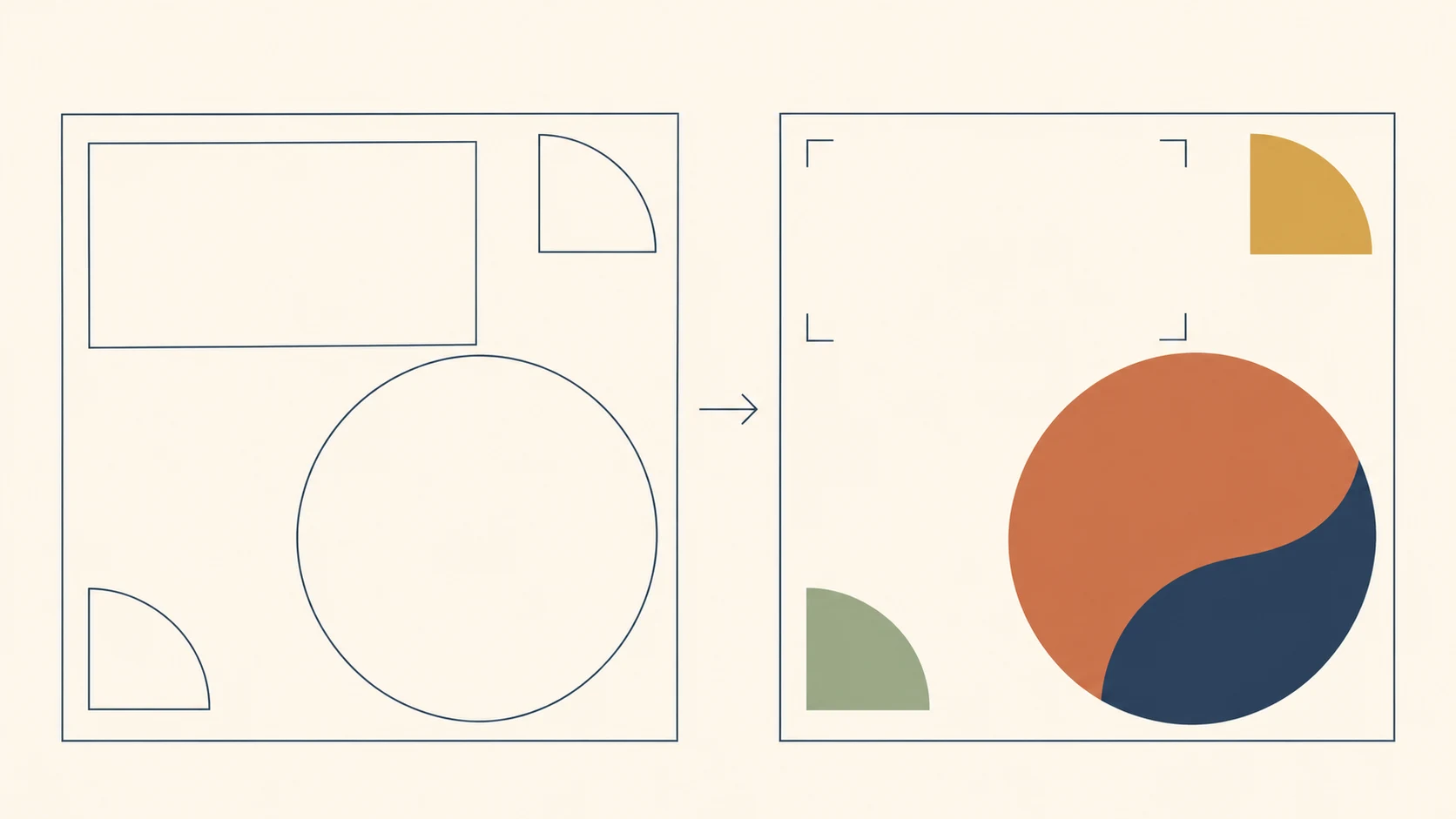
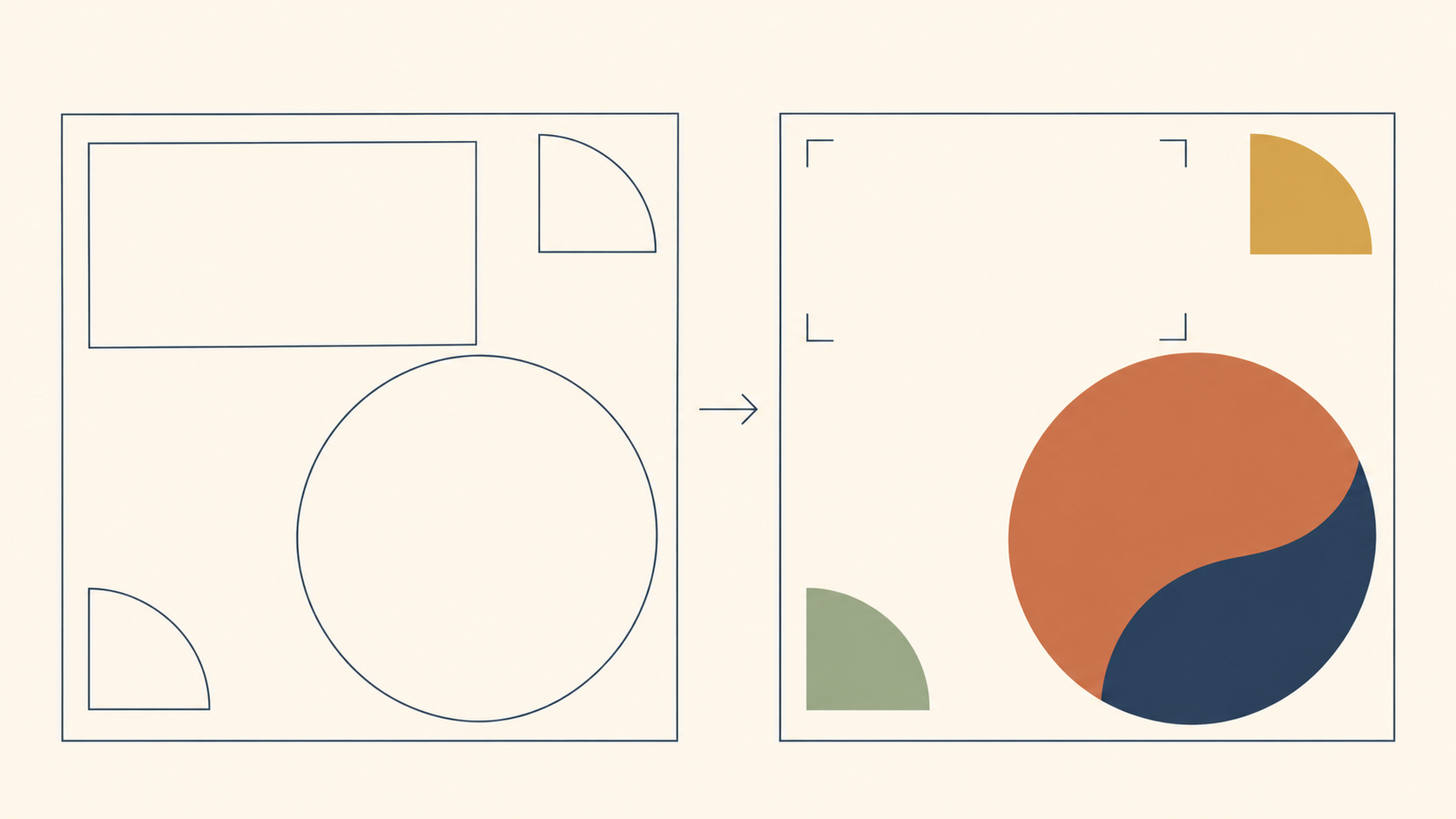
Canva Craft’s reported focus is not simply generating an attractive image. It is generating an image with a layout that serves a design. AIARABAI’s coverage dates the launch to October 22, 2026, describing Craft as Canva Research’s first internally developed and trained image-generation model.
There is an important evidence limit: this article draws on that third-party report. Canva’s announcement and API documentation have not been available as readable source text for this draft. The details below therefore describe reported launch information, not independently verified current access, pricing or performance.
Why composition planning matters
According to the report, Craft separates planning from rendering. The planning stage arranges subjects, relative sizes, spatial relationships, visual hierarchy and requested text placement before the image is rendered. The article also reports output up to 2K, more than 30 aspect ratios and custom dimensions.
For a designer, the useful question is not only whether a subject looks convincing, but whether it sits in the right place. An event visual that needs a headline added later must leave usable space for that headline. Reviewing the image for placement and hierarchy, rather than appearance alone, is a practical evaluation approach—not a finding from a Craft test.
The report also attributes multilingual prompting and text generation in 55 languages to Canva. Understanding a prompt and reproducing written text accurately are different capabilities. Names, numbers, punctuation and spelling still need checking. When wording must be exact, adding it in an editor after generating the background remains an alternative.
Dream Lab access and API access answer different questions
The report identifies Dream Lab as the Canva interface for using Craft and a public API as the developer route. Neither description establishes the conditions for a particular account today.
| Intended use | What the third-party report describes | What still needs checking |
|---|---|---|
| Generate an asset inside Canva | Dream Lab access, followed by editing | Account availability, administrator restrictions, allowances and quality options |
| Call the model from an application | A preview API with the model identifier craft_v1_2k | Current identifier, authorization, access eligibility, request limits and billing rules |
For a designer, the immediate issue is whether the feature is available in their account. For a developer, it is whether the current documentation supports the intended integration. A model identifier quoted in a news article is not enough to establish a production integration.
The available material does not confirm current prices, a free allowance or exact access restrictions. Likewise, a report of global availability should not be read as unlimited use for every account.
Separate the standard model from future plans
The same report describes Craft-fast and Craft-ultrafast as forthcoming variants intended to improve speed and reduce generation costs. It also presents MCP support as a future integration. These plans should not be listed as already available features or used to infer present-day speed or pricing.
The article also discusses a connection to Magic Layers. Compatibility with an editing workflow is not proof that every generated image can be separated perfectly into editable layers. No independent layer-separation test was conducted for this draft.
Before choosing Craft for a project, check the Canva Craft announcement and Craft API page for the current version, account conditions and access status. Those links are verification destinations: their contents have not been read or verified for this draft.
Related articles and cases
- adobe firefly max 2026: Image-feature availability remains unverified
The supplied evidence does not establish the announcement date, image-editing feature availability, beta access or third-party model selection. This is a publication hold notice, not a verified update report.
- MiniMax H3-Image: What the Image API Confirms—and What Remains Unverified
The available official documentation specifies text-to-image parameters, output limits, and retry-related charges. It does not establish the release date, open-weight license, or reference-image editing workflow.