MiniMax H3-Image: What the Image API Confirms—and What Remains Unverified
The available official documentation specifies text-to-image parameters, output limits, and retry-related charges. It does not establish the release date, open-weight license, or reference-image editing workflow.
·
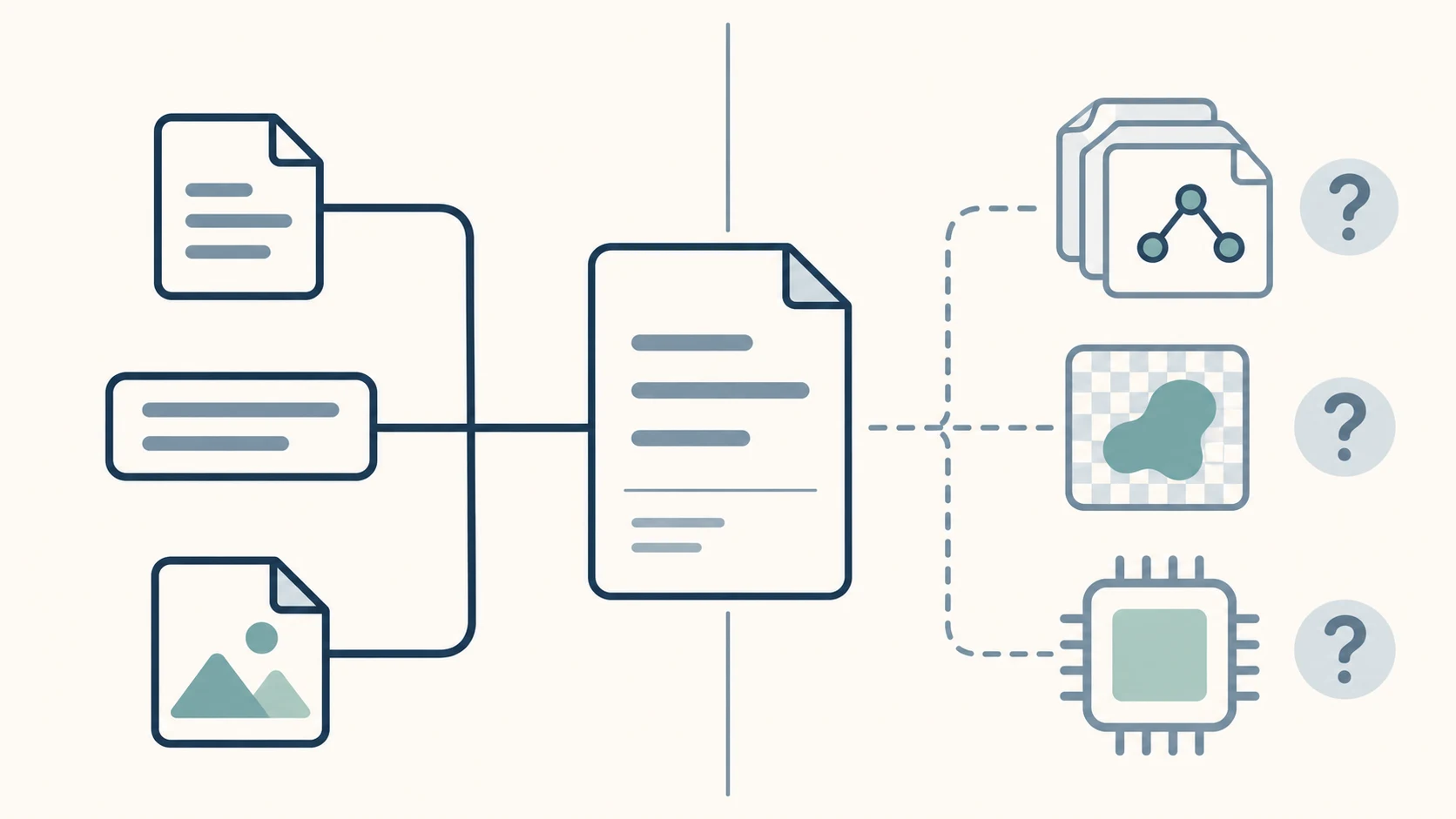
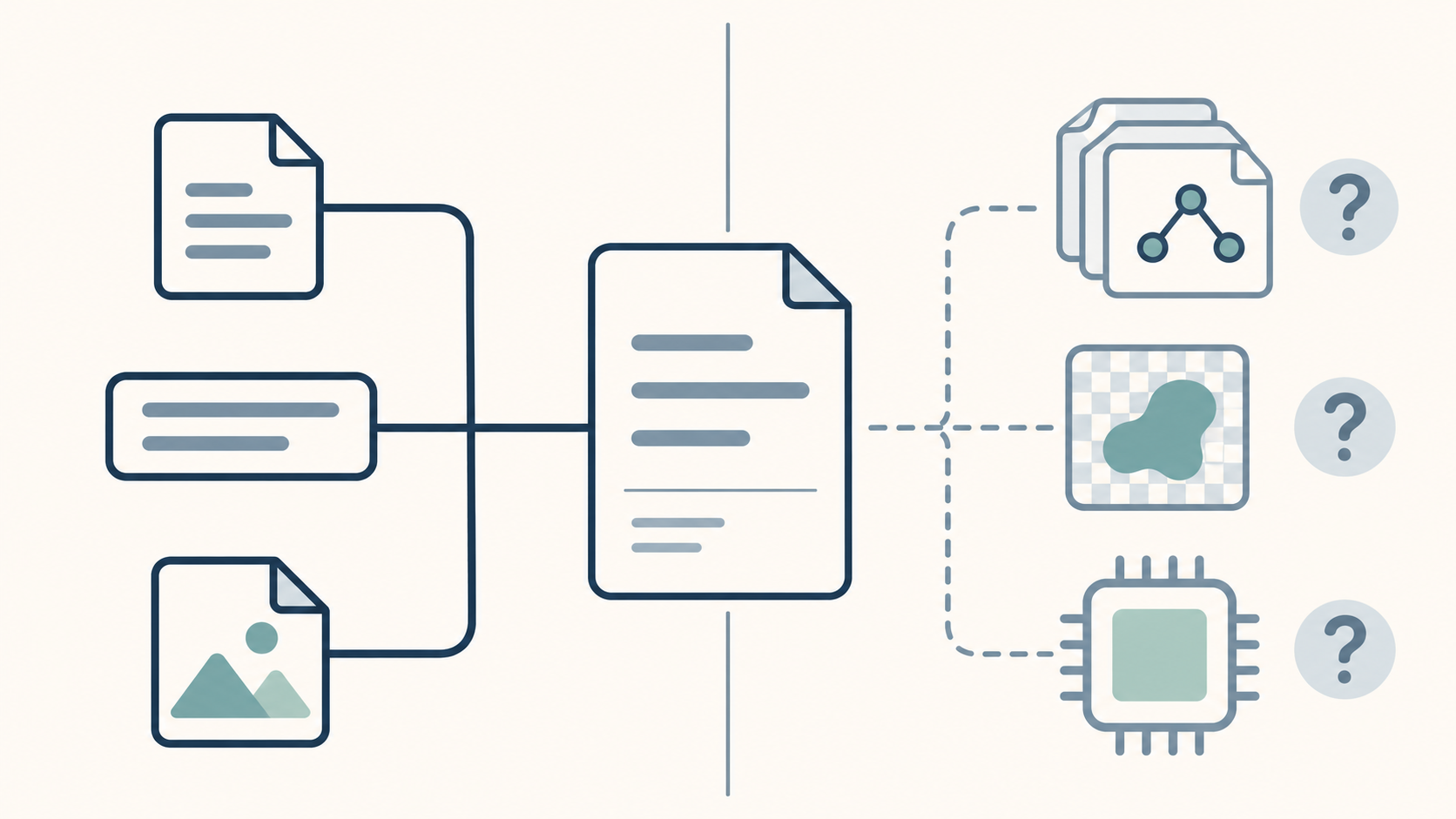
A search for minimax h3 image raises several separate questions: has the model launched, are its weights available, can it edit images, and is its API ready for a particular workflow? The evidence available here answers only part of that inquiry. MiniMax’s text-to-image documentation specifies an H3-Image API, but does not by itself establish open-weight availability, editing support, or deployment requirements.
This article examines the retrieved official Text-to-Image documentation, not a live API test. The source was retrieved on November 16, 2026; its update date is unknown. The proposed November 11 release date and open-weight positioning have not been verified against the announcement and model card, so neither is presented here as confirmed news.
What the text-to-image endpoint documents
The documented endpoint is POST https://api.minimax.io/v1/images/generations, authenticated with a Bearer API key. It lists MiniMax-H3-Image and MiniMax-H3-Image-Highspeed, with the same parameters and limits. The Highspeed name alone does not establish a measured speed advantage or a quality difference.
| Item | Documented behavior | Practical implication |
|---|---|---|
| Prompt | Required; up to 32,000 Unicode characters, excluding leading and trailing whitespace | With prompt enhancement disabled, only about the first 4,096 tokens are read; the character limit is not the effective context length |
| Image count | n ranges from 1 to 10; default 1 | Not every combination of count, dimensions, and return format is valid |
| Explicit dimensions | Area must be 655,360–20,000,000 pixels; aspect ratio must be 1:3–3:1, inclusive | With WIDTHxHEIGHT, do not also send aspect_ratio or area, even as auto |
| Area tier | area accepts 1K, 2K, or 4K; default 4K | These are target-area tiers, not guarantees of a fixed long edge |
| Output and delivery | PNG, JPEG, or WebP; URL or Base64 delivery | Streaming supports URL delivery only; URLs are not guaranteed to remain available |
These constraints come from the official parameter reference. Its example maps 2K at 16:9 to 2720×1536. Read each image’s data[].size for its actual dimensions rather than inferring them from the tier name.
Base64 delivery also imposes a total output-area limit per request: 20,000,000 pixels for PNG and 80,000,000 pixels for JPEG/WebP. Staying within the n limit does not, by itself, make a request valid.
Timeouts and partial failures affect integration decisions
The documentation says the server waits up to 600 seconds and instructs clients to use a timeout of at least 600 seconds. The endpoint is not idempotent: generation continues after a client timeout or disconnect, successful images are charged, and a retry generates and charges again. For the OpenAI SDK, it specifies max_retries=0 to disable default automatic retries.
The important distinction is that not receiving a response does not mean the server did not execute the request. A timeout should not be treated as permission to resend without a potential additional charge.
HTTP 200 also does not guarantee that every image succeeded. A response can return 200 when at least one image succeeds; failed items contain only error. Inspect data[].error item by item. The documentation says only successful images are charged, but the retrieved text does not provide unit prices sufficient to calculate an actual bill. Usage fields are not a price list.
Editing and open weights need different evidence
The retrieved page describes text-to-image generation. It does not provide a reference-image upload, mask-editing, or localized-editing workflow that can be checked here. That is not proof that the model lacks those capabilities; it means their availability and operation remain unverified by this source.
Open weights require separate evidence as well. API access does not establish downloadable weights, and downloadable weights do not automatically establish unrestricted commercial permission. Local deployment requires documented runtime code, hardware requirements, and precision settings; API output dimensions cannot establish a GPU-memory requirement.
A complete release report therefore remains blocked pending the announcement, model card, and license text. Those sources need to establish the release date, weight availability, commercial-use terms, and deployment requirements. Reference-image and editing claims also need their corresponding endpoint documentation. The available API reference supports a text-to-image integration assessment—not a conclusion that local deployment, commercial licensing, or editing is already available.